
Popular Tree Trimming Tools for Safe and Efficient Pruning
Explore top-rated tools designed to make tree trimming safer, easier, and more effective for both amateurs and professionals.
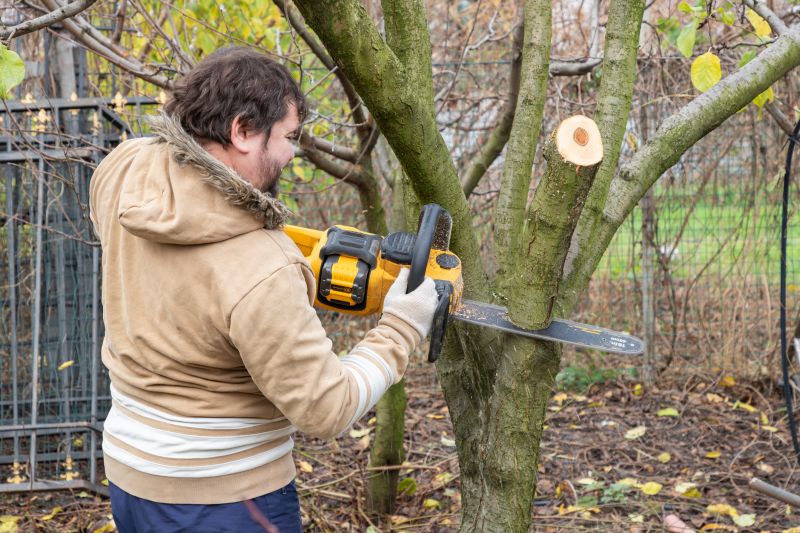 Tree trimmings are an essential part of maintaining healthy and attractive trees, whether for aesthetic purposes or safety considerations. Proper tools and products can make trimming tasks more efficient and safer, especially when dealing with different tree sizes and types. From pruning shears to specialized saws, the array of available products caters to both casual gardeners and professional arborists. Selecting the right equipment involves understanding the specific requirements of the trimming task, the size of the tree, and the environment in which the work is being performed.
Top Overall Option
Multi-Function Tree Trimming Kit
A comprehensive trimming kit that includes various hand tools such as pruning shears, loppers, and a pruning saw. Designed for versatility, this kit offers durable construction with ergonomic handles for comfortable use. Suitable for a range of tree sizes and trimming tasks, it provides a practical solution for homeowners and professionals alike.
Types of Products For Tree Trimmings
Pruning Shears
Compact hand tools ideal for precise cuts on small branches and twigs, perfect for detailed trimming work.
Loppers
Long-handled cutting tools designed for reaching and trimming medium-sized branches with increased leverage.
Pruning Saws
Specialized saws with curved or straight blades for cutting through larger branches and thicker wood.
Pole Pruners
Extendable tools that allow users to reach high branches without a ladder, featuring manual or powered options.
Chainsaws
Power tools suitable for heavy-duty trimming and removal of large branches or entire limbs.
Hedge Trimmers
Electric or gas-powered tools designed primarily for shaping and trimming hedges, but useful for certain tree trimming tasks.
Grafting Knives
Specialized knives used for precision cuts during grafting or detailed pruning work.
Tree Climbing Gear
Harnesses, ropes, and spikes designed for safe climbing and trimming of tall trees.
Debarking Tools
Tools used to remove bark from branches or trees, often for aesthetic or health reasons.
Safety Gear
Protective equipment such as gloves, goggles, and helmets to ensure safety during trimming activities.
Wood Chippers
Machinery that shreds branches and limbs into mulch or chips, useful after trimming.
Tree Removal Tools
Specialized equipment for safely removing entire trees or large limbs.
Blade Sharpeners
Tools to keep pruning blades and saws sharp for effective cutting.
Extension Cords and Power Supplies
Necessary accessories for powered trimming tools, ensuring adequate reach and power.
Tree Braces and Supports
Accessories used to support weak or damaged branches post-trimming.
Popular Choices
Widely used for trimming small branches and maintaining shrubbery with ease.
Popular for reaching higher branches without the need for ladders.
Convenient for quick and portable trimming of larger limbs.
Favored for high-reach trimming, combining manual and powered options.
Handy for detailed cuts on medium-sized branches, easy to carry and store.
Common for shaping and trimming dense foliage on trees and shrubs.
Essential safety gear that is frequently recommended for tree trimming activities.
Popular for protecting hands during various trimming tasks.
Highly used after trimming to dispose of branches efficiently.
Popular for detailed pruning and grafting work.
Preferred by professionals for safe access to tall trees.
Commonly used to maintain the sharpness of pruning tools.
Frequently chosen for powering electric trimming tools.
Often used to stabilize weak branches after trimming.
When choosing products for tree trimmings, durability and ease of use are key factors. High-quality tools often feature ergonomic designs to reduce fatigue during extended use and materials that resist rust and corrosion. Additionally, safety features such as secure grips, blade guards, and locking mechanisms are important considerations to prevent accidents. For larger or more complex trimming jobs, powered equipment like electric or gas-powered saws can offer increased efficiency, though they require proper handling and safety precautions.
For those working in residential or small-scale settings, manual tools such as hand pruners, loppers, and pruning saws may suffice. Conversely, professionals or serious enthusiasts might opt for telescoping poles, chainsaws, or even hydraulic lifts to access difficult or high branches. Regardless of the scope, selecting products that match the specific task ensures better results and minimizes the risk of damage to the tree or injury to the user. Proper maintenance and handling of these tools extend their lifespan and maintain their effectiveness over time.
Key Buying Considerations
- Identify the size and type of branches you will be trimming to select appropriate tools.
- Consider the material and durability of the tools to ensure long-term use.
- Ergonomic design features can reduce fatigue during extended trimming sessions.
- Safety features such as blade guards, secure grips, and safety locks are essential.
- Powered tools like chainsaws require proper handling skills and safety precautions.
- Manual tools are generally quieter and require less maintenance but may require more effort.
- Weight of the tool impacts ease of use, especially for extended periods.
- Compatibility with other equipment, such as extension cords or batteries, can influence convenience.
- Storage options and portability may be important for frequent users or those with limited space.
- Budget considerations should balance quality, durability, and frequency of use.
- Look for tools with replaceable blades or parts to extend their lifespan.
- Check for user reviews and ratings to gauge real-world performance and reliability.
- Consider whether the tool is suitable for the specific types of trees and branches in your landscape.
- Evaluate the ease of maintenance and sharpening of cutting blades.
- Ensure the tools comply with safety standards relevant to your region.
This page contains affiliate links. We may earn a commission if you purchase through these links at no additional cost to you.